BrainpercentCreate content like this in minutes with our AI tools
Try it freeHow AI Podcast Generation Is Transforming Content Marketing Workflows in 2026
Your backlog grows while competitors publish daily. Recording sessions drag on. Editing takes forever. The math: 40 hours monthly wasted on podcast production.
AI podcast generation cuts production time from weeks to minutes.
The shift happened fast. Teams that spent thousands on studios now generate full episodes with text prompts.
Voice cloning sounds natural. Scripts write themselves. Music and transitions happen automatically. The entire workflow changed in under a year.
One marketing director turned a single blog post into five podcast episodes before lunch.
How AI podcast generators are transforming content workflows in 2026
Why content marketers are switching from video to AI-generated podcasts this year
Podcasts solve the multitasking problem. Your audience listens while commuting, exercising, or working. Video demands full attention. Audio fits into existing routines without friction.

The 4-step framework to produce a full podcast episode in under 30 minutes using AI
Step one: Feed your content brief into the AI platform. You provide the topic, key points, and target audience. The system generates a complete script with natural conversation flow, transitions, and storytelling elements.
Step two: Select voice personas that match your brand. Choose from hundreds of AI voices with different tones, accents, and speaking styles. Preview each option until you find the right fit for your audience.
Step three: Generate the audio and add production elements. The AI reads your script with natural inflection and pacing. Add background music, intro/outro segments, and transition sounds through the same interface.
Step four: Export and publish across platforms. Download the final audio file, automatically generated transcript, and episode metadata. Upload to podcast directories with one click.
This framework works whether you're creating a 10-minute episode or a 60-minute deep dive. The time investment stays roughly the same because AI handles the heavy lifting.

How AI voice cloning technology creates authentic-sounding hosts without recording studios
Voice cloning technology improved dramatically this year, moving from robotic, flat early versions to current systems that capture emotional nuance, natural pauses, and conversational rhythm.
The technology works by analyzing speech patterns, tone variations, and pronunciation styles. Feed the system a few minutes of sample audio, and it learns to replicate that voice with remarkable accuracy.
Some teams clone their CEO's voice for consistent brand messaging. Others create entirely fictional hosts with specific personality traits. The AI maintains character consistency across hundreds of episodes without fatigue or scheduling conflicts.
The authenticity question comes up frequently. Audiences care more about valuable content than whether a human physically spoke the words. Clear disclosure about AI-generated audio maintains trust while delivering consistent quality.

The hidden cost comparison: Traditional podcast production vs AI automation in 2026
Traditional podcast production involves multiple cost layers that add up quickly. You need recording equipment, editing software, a quiet space, and either your time or a producer's salary.
Professional studios charge per hour for recording and editing. Freelance editors work on per-episode rates. Equipment requires upfront investment plus ongoing maintenance. The total monthly expense becomes substantial for consistent publishing schedules.
Most of these costs disappear with ai automation. Monthly subscription fees cover unlimited episode generation. Equipment purchases? Gone. Studio rental? Eliminated. Editing labor? Automated. Platforms typically bundle hosting, transcription, and show notes into one fee.
Traditional Production Monthly Costs:
- Studio time and equipment maintenance
- Audio editing labor
- Hosting and distribution platform fees
- Transcription services
- Show notes and metadata creation
AI Automation Monthly Costs:
- Platform subscription fee
- Hosting (bundled with most plans)
- Transcription (automated)
- Show notes (automated)
The time savings matter more than direct cost savings for many teams. Producing four episodes weekly becomes feasible when each takes 30 minutes instead of several hours.

3 real content marketing teams who replaced their podcast teams with AI tools
A B2B software company maintained a weekly podcast with two hosts, a producer, and an editor. Episodes took three days from recording to publication. They switched to AI generation and now publish daily episodes covering customer questions, product updates, and industry news.
Capacity increased from 8 client podcasts to 40 without adding staff. How? An agency restructured their entire offering around AI. Instead of charging for production time, they now charge for strategy and content planning. AI handles the execution.
Recording sessions felt draining. Editing took entire weekends. Now? Publishing three times weekly instead of monthly. A solo content creator ran a personal brand podcast but struggled with consistency. After switching to AI generation, publishing became routine.
Each team faced initial skepticism about AI-generated content. Audience response proved more positive than expected. Download numbers stayed steady or increased due to higher publishing frequency. Listener feedback focused on content quality rather than production method.
What AI still can't do: The creative gaps you need to fill manually for authentic storytelling
AI generates frameworks. You provide the soul. Personal stories need your voice. The system can't fake your unique experiences or emotional insights.
Interview-style episodes require real conversations. AI can simulate dialogue, but authentic back-and-forth with unexpected tangents and genuine reactions only happens between humans. Pre-recorded interviews work better than AI-generated conversations for this format.
Cultural nuance and timely humor present challenges. AI references current events but misses subtle context that makes jokes land. Sarcasm and irony often fall flat. Your editorial judgment determines what stays and what gets rewritten.
- Personal anecdotes need your direct input and emotional authenticity
- Industry-specific jargon requires verification for correct usage and pronunciation
- Brand voice consistency demands human oversight and adjustment
- Strategic content decisions about topics and positioning remain your responsibility
Think of AI as a production assistant, not a replacement for your creative direction. You still make the important decisions about what to say and how to position your message.
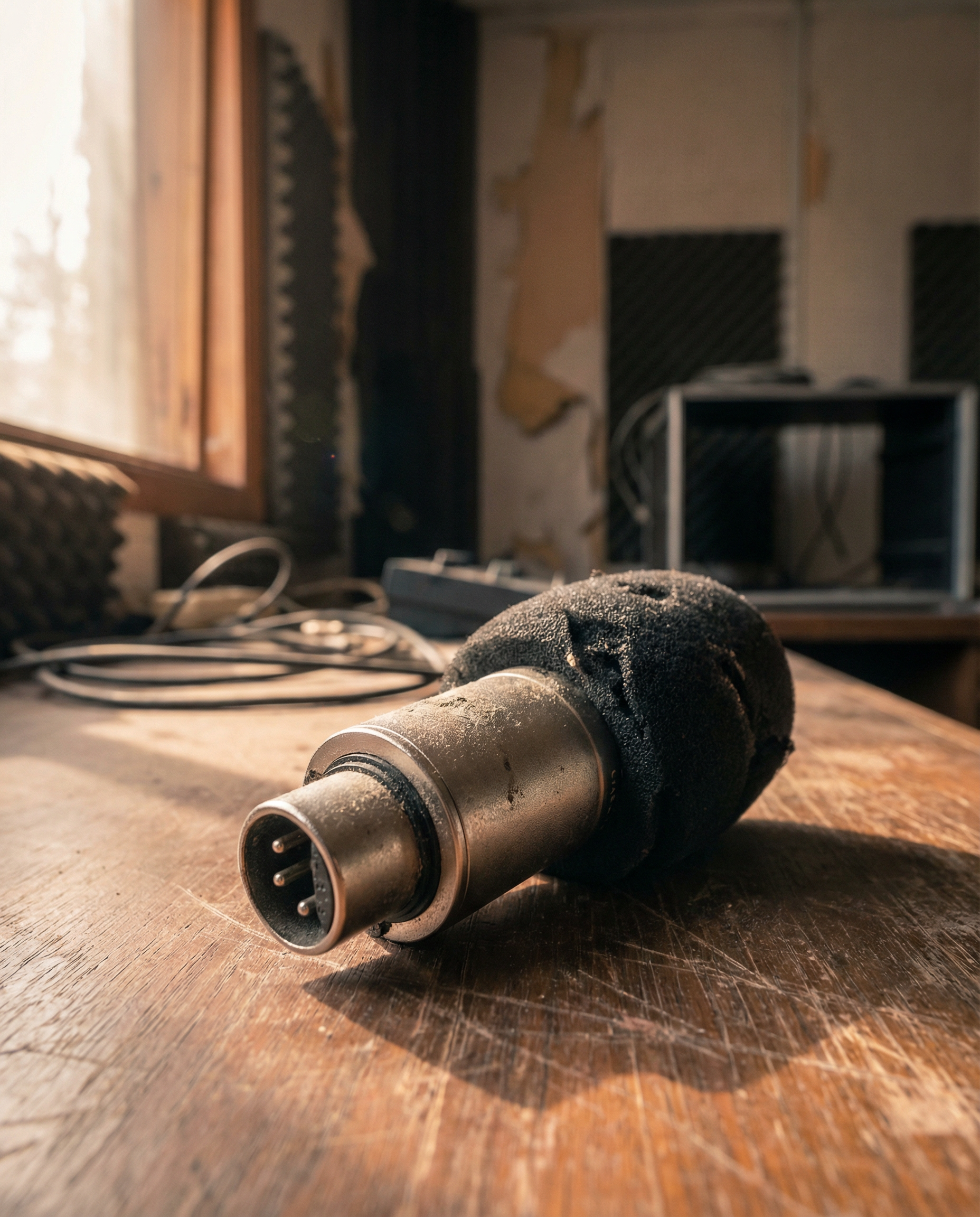
Step #1: Feed your content brief into AI podcast platforms and generate episode scripts
Save successful briefs as templates for future episodes. Consistent formatting helps the AI understand your preferences and reduces editing time on subsequent scripts.

Step #2: Select AI voice personas that match your brand tone and audience expectations
Voice selection shapes how your audience perceives your brand. A formal, authoritative voice works for financial advice. A warm, conversational tone fits lifestyle content. An energetic, fast-paced voice suits tech news.
Test multiple voices with the same script segment. Listen for clarity, pacing, and emotional range. Some voices handle technical terms better than others. Some sound more natural with casual language.
Consider your audience's preferences. B2B audiences often prefer straightforward, professional voices. Consumer audiences respond well to friendly, relatable tones. Match the voice to the context where listeners will hear your content.
- Preview voices with your actual script content, not generic samples
- Test pronunciation of industry terms and brand names before committing
- Consider using multiple voices for dialogue or interview formats
- Maintain consistency across episodes once you choose a voice
Some platforms let you adjust voice parameters like speaking speed, pitch, and emphasis patterns. Fine-tune these settings to match your exact preferences.

Step #3: Add music, transitions, and editing touches using integrated AI audio tools
Background music sets the mood and maintains listener engagement during longer episodes. Choose tracks that complement your content without overwhelming the voice. Most platforms include royalty-free music libraries organized by mood and genre.
Transitions between segments need clear audio cues. A brief musical sting or sound effect signals topic changes and helps listeners follow your structure. Keep transitions short and consistent across episodes.
Intro and outro segments establish your show's identity. Create a standard opening that includes your show name, host introduction, and episode topic. End with a consistent call-to-action and closing music.
AI tools handle technical aspects like volume leveling, noise reduction, and audio compression automatically. Your exported file meets podcast platform specifications without manual audio engineering.

The biggest mistake: Skipping strategy and jumping straight to production
Your audience needs consistent value, not just consistent volume.
Many teams generate dozens of episodes upfront without testing audience response. They assume more content equals better results. Instead, they create a backlog of episodes that miss the mark on topics or tone.
Start with a pilot series of 5-8 episodes. Publish them weekly while monitoring download numbers, listener retention, and feedback. Adjust your approach based on what resonates before scaling up production.
Another common mistake involves treating AI-generated content as final output. The first draft needs your editorial oversight. Add personal insights, verify facts, and inject personality that reflects your brand voice.
- Test different episode lengths to find what your audience prefers
- Experiment with various topics before committing to a narrow niche
- Gather feedback through surveys or social media before expanding
- Review analytics to understand which episodes drive the most engagement
Quality beats quantity every time. Three excellent episodes per week outperform seven mediocre ones. Use AI's efficiency to improve quality, not just increase output.

How to repurpose one blog post into 5 podcast episodes using AI content expansion
A comprehensive blog post contains multiple podcast episodes worth of content. Break down a 2,000-word article into distinct topics, each becoming a focused 10-15 minute episode.
Episode 1: Introduction and Overview. Cover the main problem your blog post addresses. Explain why it matters to your audience. Set up the framework you'll explore in subsequent episodes.
Episode 2-4: Deep Dives. Take each major section of your blog post and expand it into a full episode. Add examples, case studies, and practical applications that didn't fit in the written format.
Episode 5: Implementation and Next Steps. Provide actionable advice for applying the concepts. Address common questions and obstacles. Give listeners a clear path forward.
This approach works particularly well with evergreen content. Your blog post continues driving search traffic while the podcast series reaches audio-first audiences. Each format reinforces the other.
AI content expansion tools analyze your blog post and suggest natural breakpoints for episodes. They identify subtopics that deserve deeper exploration and generate outlines for each episode.
Why podcast SEO in 2026 requires AI-generated transcripts and smart metadata strategies
Podcast directories and search engines can't listen to audio files. They rely on text metadata to understand and rank your content. Transcripts provide that searchable text while making your content accessible to deaf and hard-of-hearing audiences.
AI transcription accuracy improved significantly. Current systems handle multiple speakers, technical terminology, and various accents with minimal errors. The transcript becomes a valuable SEO asset when published alongside your episode.
Smart metadata includes descriptive episode titles, detailed show notes, and relevant tags. Each element helps platforms recommend your show to interested listeners. Generic titles like "Episode 47" waste SEO opportunities.
Platforms like Google's podcast structured data guidelines explain how proper markup helps your show appear in search results and podcast apps.
- Include target keywords naturally in episode titles and descriptions
- Publish full transcripts on your website for search engine indexing
- Create show notes with links to resources mentioned in the episode
- Use consistent naming conventions across all episodes for brand recognition
- Add timestamps to transcripts for easy navigation to specific topics
AI tools generate all these elements automatically from your audio file. The transcript, show notes, and metadata appear within minutes of episode creation. This automation ensures consistency and saves hours of manual work.
Search visibility matters more than ever as podcast consumption grows. Listeners discover new shows through search, not just browsing. Your metadata determines whether they find your content when searching for topics you cover.
Common Questions About Podcast Generation with AI
How long does it take to generate a podcast episode using AI?
Most ai podcast generators can create a complete episode in minutes, not hours. You upload your content or script, select voice options, and the system processes everything automatically. For a typical 20-minute episode, you're looking at 5-10 minutes of processing time, depending on the platform and complexity of your audio requirements.
The real time-saver comes from skipping traditional production steps. You don't need to book studio time, coordinate with voice talent, or spend hours editing. This means you can produce daily podcast content with the same effort it used to take for one weekly episode. For content marketers juggling multiple campaigns, this speed lets you test different podcast formats and topics without committing massive resources upfront.
Can AI-generated podcasts sound natural enough for professional use?
Modern AI voice technology has crossed the threshold where most listeners can't distinguish it from human narration in casual listening. The voices include natural pauses, varied intonation, and even breathing sounds. However, the quality depends heavily on which platform you choose and how you structure your script. Short, conversational sentences work better than long, complex paragraphs.
That said, test your AI voice with a short sample episode first. Listen for pronunciation issues with industry terms. Most platforms let you adjust these manually.
What content formats work best for AI podcast generation?
Blog posts and articles convert beautifully into podcast episodes because they're already structured for information delivery. You can feed your existing written content directly into ai podcast tools, and they'll transform it into audio format. Industry reports, case studies, how-to guides, and listicles all translate well. The key is having clear sections and logical flow in your source material.
Interview-style podcasts also work surprisingly well when you create them from Q&A content or compile expert quotes. You can assign different AI voices to different speakers, creating a dialogue format that keeps listeners engaged. Email newsletters, social media threads, and even customer testimonials can become podcast segments. The format that doesn't work? Stream-of-consciousness writing or content that relies heavily on visual elements like charts and graphs.
Do I need technical skills to create podcasts with AI?
No coding or audio engineering knowledge required. Most AI podcast platforms work like content management systems—you paste in text, click a few buttons, and download your finished audio file. The interface resembles familiar tools like WordPress or Canva. You pick a voice, adjust the speed if needed, and maybe add background music from their library. That's the extent of the technical work.
The learning curve is minimal, usually under an hour to create your first episode. Platforms like Brainpercent handle the complex parts automatically, from voice synthesis to audio mixing. Your main job is crafting good scripts and understanding what makes engaging audio content. If you can write a blog post and upload it to your website, you can create AI podcasts.
How much does AI podcast generation cost compared to traditional production?
Traditional podcast production runs anywhere from $500 to $2,000 per episode when you factor in voice talent, studio rental, editing, and production time. AI podcast platforms typically charge $20-$100 monthly for unlimited episodes, or offer pay-per-episode pricing around $10-$30. The cost difference is dramatic—you could produce 50 AI podcast episodes for what one professionally produced episode costs.
The subscription model works best for content marketers producing regular content. You get predictable costs and can scale up or down based on your content calendar. Free tiers exist but usually limit episode length or voice quality. For small businesses and agencies testing podcast marketing, AI generation removes the financial barrier that kept podcasting out of reach. You can launch, experiment, and find your audience without the traditional five-figure investment.
The Future of Podcast Generation with AI
podcast generation with ai has fundamentally changed how content creators approach audio production. From automated script writing and voice synthesis to intelligent editing and distribution, AI tools have removed traditional barriers that once made podcasting time-intensive and technically challenging. Whether you're a solo content marketer managing multiple campaigns or part of a team looking to scale your audio content strategy, these technologies offer practical solutions that deliver professional results without requiring extensive audio engineering knowledge.
The key advantage isn't just speed—it's the ability to maintain consistency, personalize content at scale, and repurpose existing materials into engaging podcast episodes. AI-powered platforms like Brainpercent enable marketers to transform blog posts, research data, and marketing materials into podcast content that resonates with audiences while maintaining brand voice and SEO optimization. This integration of content formats creates a more cohesive marketing ecosystem where every piece of content works harder across multiple channels.
Ready to experience how AI can streamline your podcast production? Try Brainpercent for free today and create your first AI-generated podcast episode in minutes—no audio expertise required.
Ready to automate all this? Brainpercent is the all-in-one content platform that generates SEO articles, social posts, and videos for you — on autopilot. Start your free trial or see pricing.
Frequently Asked Questions
Get AI content tips weekly
Join marketers getting the latest on AI, SEO, and brand automation.
Ready to get started?
Join thousands of users who are already creating amazing content with our AI-powered tools.
Try it free