BrainpercentCreate content like this in minutes with our AI tools
Try it freeBest AI Image Generators for Blog Posts That Actually Convert Readers in 2026
You bought an ai image tool expecting efficiency. Instead, you're drowning in generic outputs.
Your blog thumbnails look like stock photos. Readers scroll past without clicking. Engagement metrics keep dropping despite your content quality improving.
The right ai image generator cuts creation time while boosting click-through rates.
Most content marketers choose based on price or popularity. Wrong approach.
The best AI image generators match your brand voice. They produce blog-ready visuals without endless prompt iterations. They help Google recognize your content as high-quality.
Here's how to pick the tool that actually fits your workflow.
How to choose AI image generators that actually match your blog's voice and convert readers
Why most content marketers pick the wrong AI tool and end up with generic stock-photo vibes
The problem starts with how you evaluate tools.
You see a viral AI-generated image on social media. You sign up for that platform. You assume it'll work for your blog. Three weeks later, every thumbnail looks the same. Your brand identity disappeared.
Tools optimized for social media art rarely work for blog content. Social platforms reward eye-catching abstraction. Blog posts need clarity and relevance. A Midjourney masterpiece might get likes on Twitter but confuse readers looking for practical advice.
The mismatch happens because content marketers evaluate tools in isolation. You test image quality without considering your specific use case. A photorealistic portrait generator sounds impressive until you realize your blog needs infographics and concept illustrations.
- Social-first tools prioritize artistic style over message clarity
- Generic outputs lack the specific visual language your audience expects
- Tools designed for one content type rarely excel at another
- Your brand voice gets lost when every image follows the same aesthetic template
The solution requires matching tool capabilities to your actual content needs. Not what looks impressive in demos.
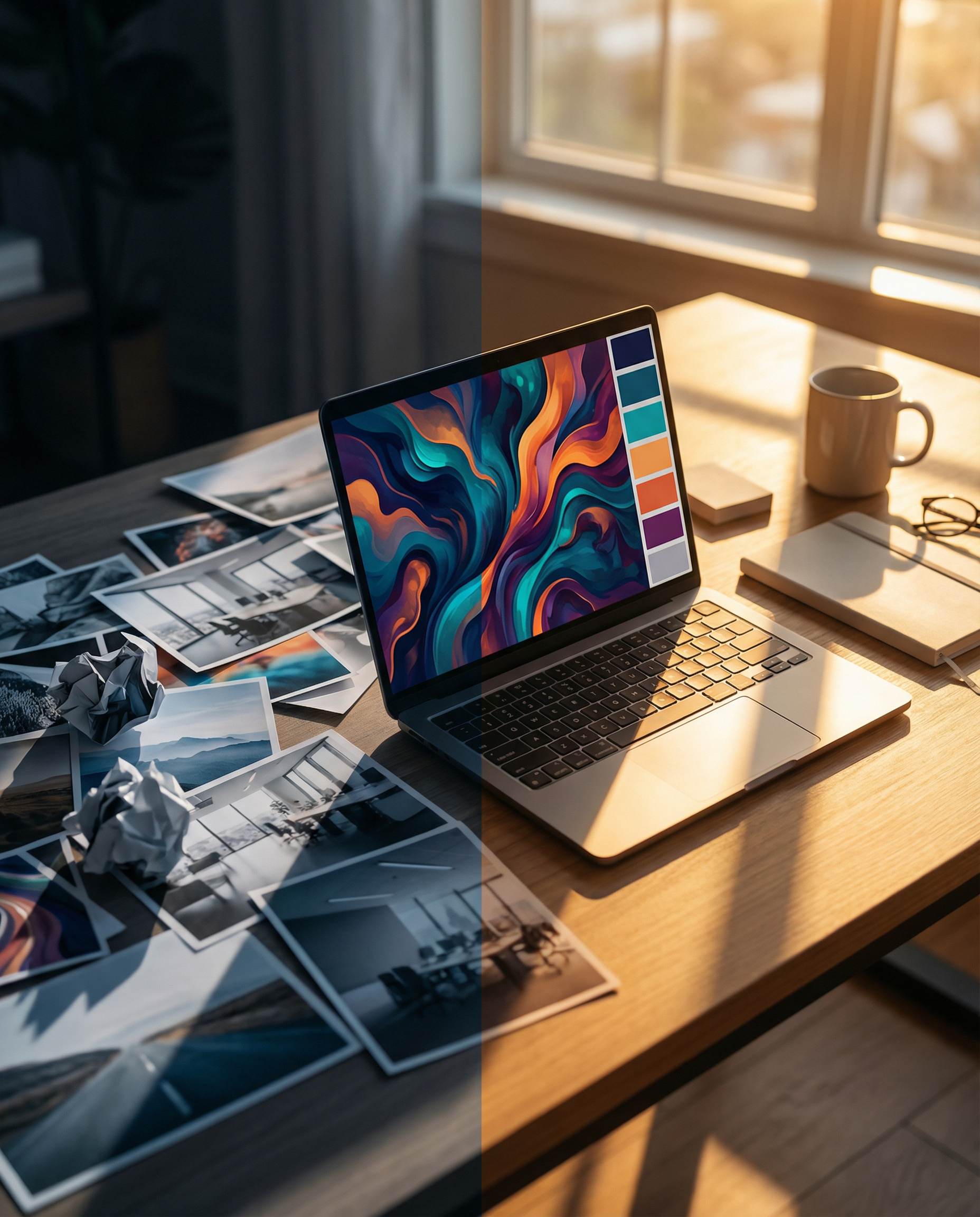
The 3-factor framework for matching AI image style to your audience's expectations in 2026
Effective AI image selection comes down to three factors: audience sophistication, content context, and visual consistency requirements.
Audience sophistication determines acceptable abstraction levels. B2B enterprise readers expect polished, professional visuals. They'll reject overly artistic or abstract images as unprofessional. Consumer lifestyle blogs can embrace more creative, stylized outputs. Your audience's visual literacy shapes what works.
Content context matters more than tool features. Tutorial posts need clear, instructional visuals. Opinion pieces benefit from conceptual imagery. Product comparisons require side-by-side clarity. Match the generator's strength to your dominant content type.
Visual consistency separates professional blogs from amateur ones. Readers notice when your thumbnails shift styles between posts. Some AI generators excel at maintaining consistent aesthetics across batches. Others produce wildly different outputs from similar prompts.
Evaluate tools against all three factors simultaneously. A generator might produce beautiful images but fail your consistency requirements. Another might maintain style perfectly but miss your audience's sophistication level.

Speed vs. Customization: which AI generators let you create 10 blog images in under 15 minutes
Speed and customization exist on opposite ends of the spectrum. Understanding where each tool falls helps you choose based on your actual workflow.
Fast generators sacrifice control for efficiency. Tools like Canva's AI features or Adobe Firefly prioritize quick outputs. You get decent images immediately but limited ability to refine specific details. Perfect for high-volume content calendars where good-enough beats perfect.
Customization-heavy platforms like Midjourney or Stable Diffusion demand more time investment. You'll spend minutes crafting prompts and adjusting parameters. The payoff comes in precise control over composition, style, and details. Better for flagship content where image quality directly impacts conversions.
The math changes based on your content volume. Publishing three posts weekly? Customization tools make sense. Shipping twenty posts monthly? Speed wins.
- Quick generators: Canva AI, Adobe Firefly, Simplified - outputs in seconds, limited refinement
- Balanced tools: DALL-E 3, Ideogram - moderate speed with decent customization options
- Customization platforms: Midjourney, Stable Diffusion - slower but precise control
Consider your revision tolerance. If you're comfortable with first-try outputs, speed tools work. If you typically iterate three times before publishing, invest in customization.
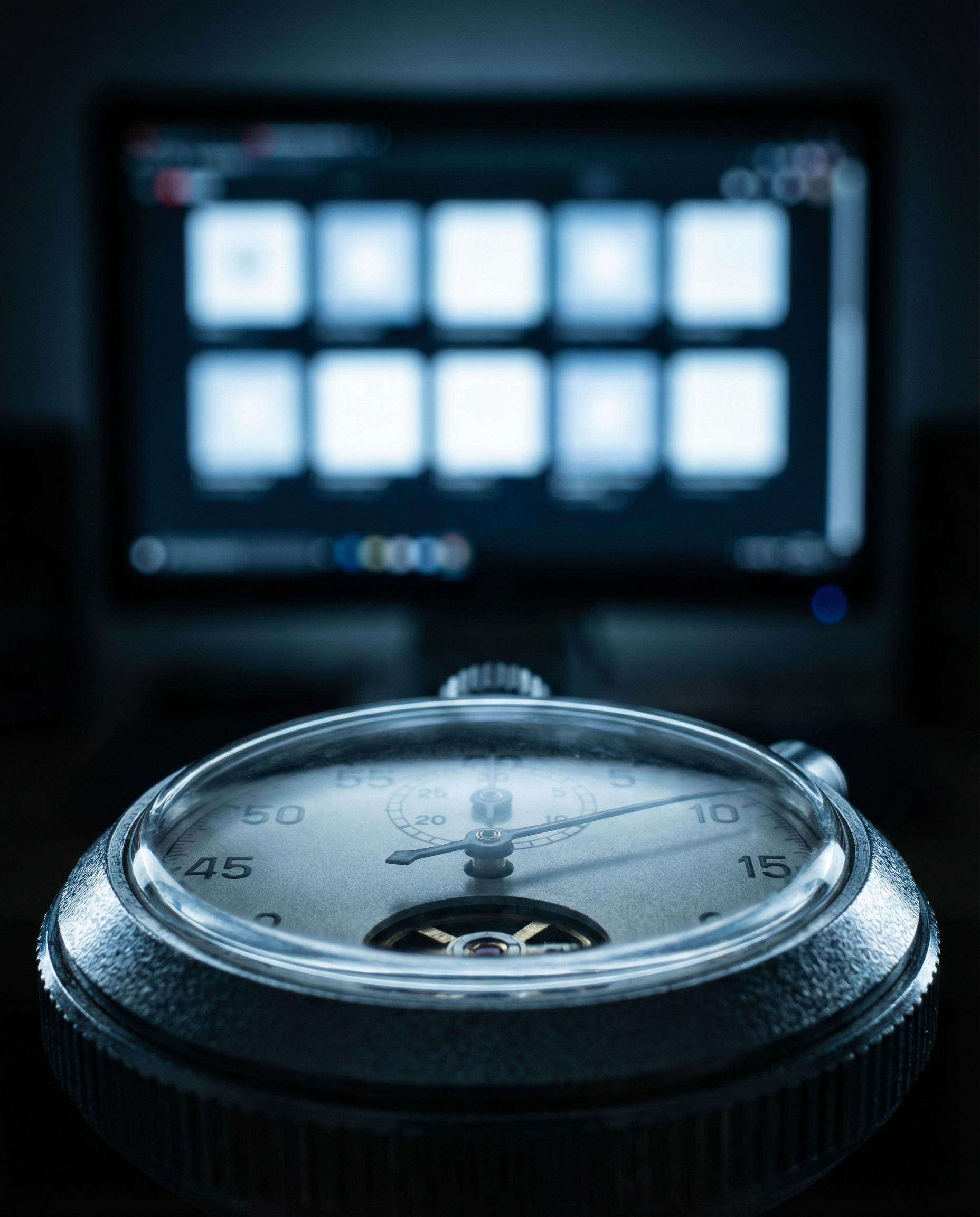
How to test if an AI image generator will hurt or help your blog's SEO and engagement metrics
Image quality affects SEO in ways most content marketers miss. Google's algorithms evaluate visual content alongside text. Poor image choices signal low-quality content.
File size matters for Core Web Vitals. Some AI generators output massive files that slow page load times. Google's page experience guidelines explicitly penalize slow-loading images. Test generated images for file size before committing to a tool.
Image relevance impacts engagement metrics directly. Generic AI images increase bounce rates. Readers click expecting specific content. They see a vague, artistic thumbnail. They leave. Your dwell time drops. Google notices.
Run this test: Generate five images for existing blog posts. Replace current thumbnails. Monitor click-through rates and bounce rates for two weeks. Compare against baseline metrics. If CTR drops or bounces increase, the AI tool hurts more than helps.
Check image metadata. Some tools embed generation data in file properties. Strip this before uploading to avoid signaling AI-generated content to search engines.

The hidden cost trap: why 'free' AI image tools might be costing you more in wasted time
Free tools charge you in time instead of money.
You spend fifteen minutes fighting with a free generator's limited features. You iterate through prompts trying to get usable output. You settle for mediocre results because the tool can't deliver what you need. That's not free. That's expensive.
Calculate your hourly rate. Multiply by time spent wrestling with free tools. Compare against paid tool subscription costs. The math usually favors paying for better tools.
Free tiers come with usage limits that interrupt workflow. You're mid-batch creating images for next week's posts. You hit the generation limit. Now you wait until tomorrow or upgrade. Your content calendar just got delayed.
- Free tools often lack batch processing - you generate one image at a time
- Limited customization means more iterations to get acceptable results
- Usage caps interrupt workflow at critical moments
- Lower output quality requires more editing in separate tools
Consider total cost of ownership. A paid tool that saves two hours weekly justifies its subscription cost quickly. Time saved compounds across your content calendar.
Real comparison: DALL-E 3 vs. Midjourney vs. Stable Diffusion for blog post thumbnails that get clicks
Each major platform excels at different aspects of blog image creation. Understanding their strengths helps you choose correctly.
DALL-E 3 wins for text integration and prompt accuracy. It understands complex instructions better than competitors. You can specify exact compositions and get results matching your description. Text rendering works reliably - crucial for infographic-style thumbnails. Best for content marketers who need precise control without technical complexity.
Midjourney produces the most visually striking images. Artistic quality exceeds other platforms. The tradeoff comes in prompt unpredictability. Similar prompts yield wildly different results. Consistency requires careful prompt engineering. Ideal for blogs where visual impact matters more than exact specifications.
Stable Diffusion offers maximum customization through models and parameters. You can fine-tune every aspect of generation. The learning curve is steep. You'll spend time understanding samplers, CFG scales, and model selection. Worth it for teams with technical resources who need complete control.
✅ DALL-E 3 Strengths:
- Accurate prompt interpretation
- Reliable text rendering in images
- Consistent output quality
- Easy to use without technical knowledge
❌ DALL-E 3 Limitations:
- Less artistic flair than Midjourney
- Limited style customization options
- Higher per-image cost
Your choice depends on content priorities. Need reliability and ease? DALL-E 3. Want maximum visual impact? Midjourney. Require complete control? Stable Diffusion.
The prompt formula that gets you blog-ready images on the first try instead of 10 iterations
Effective prompts follow a specific structure: subject + style + composition + constraints.
Start with the subject. Be specific. "Person working on laptop" is vague. "Marketing professional reviewing analytics dashboard on laptop in modern office" gives the AI clear direction.
Define style explicitly. Don't assume the AI knows what "professional" means. Specify: "clean, minimalist photography style" or "flat design illustration with limited color palette." Style descriptors prevent the AI from defaulting to its training biases.
Control composition with spatial instructions. "Centered subject with negative space on sides" or "rule of thirds composition with subject in left third" guides layout. This prevents awkward cropping when you add text overlays.
Add constraints to avoid common problems. "No text in image" prevents AI-generated gibberish. "Avoid hands and faces" sidesteps the uncanny valley issues many generators still have. "Landscape orientation, 16:9 aspect ratio" ensures the output fits your blog layout.
This formula reduces iterations dramatically. You'll get usable outputs on the first or second try instead of the tenth.
Why some AI generators create images that Google flags as low-quality content in 2026
Google's algorithms have evolved to detect certain AI image patterns. Understanding these helps you avoid penalties.
Overly perfect images trigger quality flags. Real photography has imperfections. AI-generated images often look too polished. Lighting is perfect. Compositions are too balanced. Textures are unnaturally smooth. These patterns signal automated content to Google's systems.
Repetitive visual elements across your blog raise red flags. If every thumbnail uses the same composition style or color palette, algorithms notice. This suggests automated generation without human curation. Vary your image styles even when using the same AI tool.
According to Google's helpful content guidelines, images should serve readers first, not search engines. AI images that look impressive but don't clarify content fail this test. Google's algorithms evaluate image-text relevance. Generic AI art hurts your rankings.
Some generators embed metadata that identifies AI creation. While Google claims not to penalize AI content explicitly, patterns emerge. Sites using obviously AI-generated images without human oversight see ranking drops.
- Strip metadata from AI-generated images before uploading
- Add subtle imperfections or adjustments in editing tools
- Vary composition styles across your content
- Ensure images directly support article content, not just decoration
The goal isn't hiding AI use. It's ensuring AI-generated images meet the same quality standards as human-created ones.

How to build a reusable prompt library that cuts your image creation time significantly
Prompt libraries transform AI image generation from creative work to systematic process. Here's how to build one that actually saves time.
Start by categorizing your content types. Tutorial posts need different images than opinion pieces. Product reviews require different visuals than case studies. Create prompt templates for each category.
Document what works. When you generate an image that performs well, save the exact prompt. Note the tool used, parameters selected, and any post-processing applied. Build a database of proven prompts.
Create variable templates. Instead of writing new prompts each time, use fill-in-the-blank structures. Example: "[Industry] professional [action] in [setting], [style] photography, [composition], [lighting], [constraints]." You swap variables while maintaining proven structure.
Organize by performance metrics. Tag prompts with the engagement metrics they generated. "High CTR," "Low bounce rate," "Strong social shares." This helps you choose templates based on goals, not guesswork.
Review and refine quarterly. AI tools improve constantly. Prompts that worked six months ago might produce different results now. Test your library regularly and update templates based on current tool capabilities.
The one feature every content marketer needs: batch processing and consistent brand style across posts
Batch processing separates professional content operations from amateur ones.
You're planning next month's content calendar. Twenty blog posts need thumbnails. Generating images one at a time takes hours. Batch processing lets you create all twenty in one session with consistent styling.
Look for tools that support style reference images. You upload one image representing your brand aesthetic. The AI generates new images matching that style. This maintains visual consistency across your entire blog without manually describing style in every prompt.
Brand consistency requires more than similar colors. Your images need recognizable visual language. Consistent composition patterns. Predictable lighting styles. Familiar subject framing. Readers should recognize your content from thumbnails alone.
The best AI generators for blog content offer custom model training. You feed the system examples of your preferred style. It learns your brand's visual language. Future generations automatically match your aesthetic without detailed prompting.
- Batch processing saves hours on content calendar preparation
- Style reference features maintain brand consistency automatically
- Custom model training eliminates repetitive prompt engineering
- Consistent visuals build brand recognition across your content
Evaluate tools based on workflow efficiency, not just image quality. A slightly lower quality tool that processes batches efficiently often delivers better results than a high-quality tool requiring individual attention for each image.
The bottom line: Choose AI image generators based on workflow fit, not feature lists.
This article was last reviewed by the Brainpercent editorial team on April 14, 2026.
Common Questions About AI Image Generators for Blog Posts
Can I use AI-generated images commercially on my blog without legal issues?
Most AI image generators offer commercial usage rights, but the details vary significantly between platforms. Tools like Midjourney and DALL-E 3 grant you ownership of the images you create with a paid subscription, meaning you can use them freely on your blog and even in client work. However, free tiers often come with restrictions. Canva's free plan, for example, requires attribution in some cases, while their paid plans remove these limitations.
The bigger concern is copyright infringement from the AI itself. Since these tools train on existing images, there's ongoing debate about whether the output could accidentally replicate copyrighted material. To stay safe, avoid prompts that reference specific artists, brands, or copyrighted characters. Always check the terms of service for your chosen platform and consider adding a disclaimer if you're in a sensitive industry.
How do I write prompts that actually generate usable blog images?
Good prompts are specific but not overcomplicated. Instead of "business meeting," try "three professionals collaborating around a laptop in a bright modern office, natural lighting, professional photography style." Include the style you want (photorealistic, illustration, minimalist), the mood (energetic, calm, professional), and key visual elements. Most content marketers find that 15-25 word prompts hit the sweet spot between guidance and flexibility.
The trick is learning each tool's language. Midjourney responds well to artistic references and aspect ratios (--ar 16:9 for blog headers), while DALL-E 3 handles conversational descriptions better. Start with a basic prompt, then refine it based on what you get. Save your successful prompts in a document so you can reuse the formula for similar images later. This cuts your image creation time from 20 minutes to under 5 once you build your prompt library.
Do AI-generated images hurt my blog's SEO performance?
AI images themselves don't hurt SEO, but how you use them matters. Search engines can't see images the way humans do, so they rely on your alt text, file names, and surrounding content to understand what the image shows. An AI-generated image with proper optimization (descriptive file name like "content-marketing-strategy-2024. Jpg" and detailed alt text) performs just as well as a stock photo. The actual pixels don't matter to Google.
Where AI images can help SEO is uniqueness. Stock photos appear across thousands of websites, while your AI-generated images are original to your blog. This can reduce bounce rates since visitors aren't seeing the same generic businessman-shaking-hands photo they've seen everywhere else. Just make sure your images are relevant to your content and compressed for fast loading times. Page speed affects rankings more than whether your image came from AI or a camera.
Which AI image generator works best for creating consistent brand visuals?
Midjourney currently leads for brand consistency because of its style reference feature. You can upload a reference image and use the --sref parameter to make all future generations match that aesthetic. This means your blog images maintain the same color palette, lighting, and overall vibe across posts. Adobe Firefly also handles consistency well since it integrates with your existing brand assets in Creative Cloud and lets you save custom styles.
For content marketers managing multiple clients, creating a style guide for each brand helps. Generate 3-5 hero images that nail the brand aesthetic, then use those as reference points for future prompts. Include specific details in your prompts like "warm color palette with coral and cream tones" or "flat illustration style with bold outlines." Most tools let you save favorite outputs, so build a reference library for each client. This approach keeps your blog visuals cohesive without manually editing every single image.
How many images should I generate before picking one for my blog post?
Generate 4-6 variations per image slot in your blog post. This gives you enough options to find one that truly fits without wasting time on endless iterations. Most AI tools let you create multiple versions from one prompt, so use that feature. You'll typically find that one or two images nail the concept while the others miss the mark in small but important ways.
The real time-saver is batching your image creation. Instead of generating images one post at a time, create all the visuals for your week's content in one session. You'll get into a rhythm with your prompts and can reuse successful formulas. This approach cuts image creation from 30 minutes per post to about 10 minutes once you know what works. Keep a swipe file of rejected images too, since an image that didn't work for one post might be perfect for another topic later.
Finding Your Perfect AI Image Generator for Blog Content
Choosing the best AI image generators for blog posts comes down to understanding your specific content needs and workflow. Whether you prioritize photorealistic quality, artistic flexibility, speed, or budget-friendly options, there's a tool designed to elevate your visual content. From DALL-E 3's exceptional prompt accuracy to Midjourney's artistic prowess, and from Stable Diffusion's customization potential to user-friendly platforms like Canva AI, each generator brings unique strengths to your content creation arsenal.
The right AI image generator will save you countless hours searching stock photo libraries, reduce your content production costs, and give your blog posts a distinctive visual identity that resonates with your audience. Remember that consistency matters—stick with one or two tools that align with your brand aesthetic rather than jumping between platforms. Most importantly, these tools work best when you invest time learning effective prompting techniques and understanding each platform's capabilities.
Ready to transform your blog's visual appeal? Brainpercent combines powerful AI image generation with complete content creation, letting you produce SEO-optimized articles with custom visuals in one streamlined platform. Try it for free today and see how quickly you can create professional blog posts with stunning, original images that capture your audience's attention.
Ready to automate all this? Brainpercent is the all-in-one content platform that generates SEO articles, social posts, and videos for you — on autopilot. Start your free trial or see pricing.
Frequently Asked Questions
Get AI content tips weekly
Join marketers getting the latest on AI, SEO, and brand automation.
Ready to get started?
Join thousands of users who are already creating amazing content with our AI-powered tools.
Try it free