BrainpercentCreate content like this in minutes with our AI tools
Try it freeBest AI Image Generators for Blog Posts: 2026 Guide to Tools That Actually Convert
AI
Best AI Image Generators for Blog Posts: 2026 Guide to Tools That Actually Convert
content marketers waste hours searching for the perfect header image. Readers scroll past within seconds.
Your engagement metrics prove what you already know: stock photos don't work anymore.
AI image generators now create custom blog visuals in under two minutes.
The shift happened fast. Today's AI tools generate images that match your exact brand voice, topic, and audience.
Leading content teams produce scroll-stopping visuals at scale. They maintain consistency across hundreds of posts. They never touch a stock photo library again.
The best ai image generators for blog posts deliver professional results without the creative bottleneck.
How AI image generators transformed blog content creation in 2026 (and which tools actually deliver)

Why traditional stock photos are killing your blog engagement (and what AI images do differently)
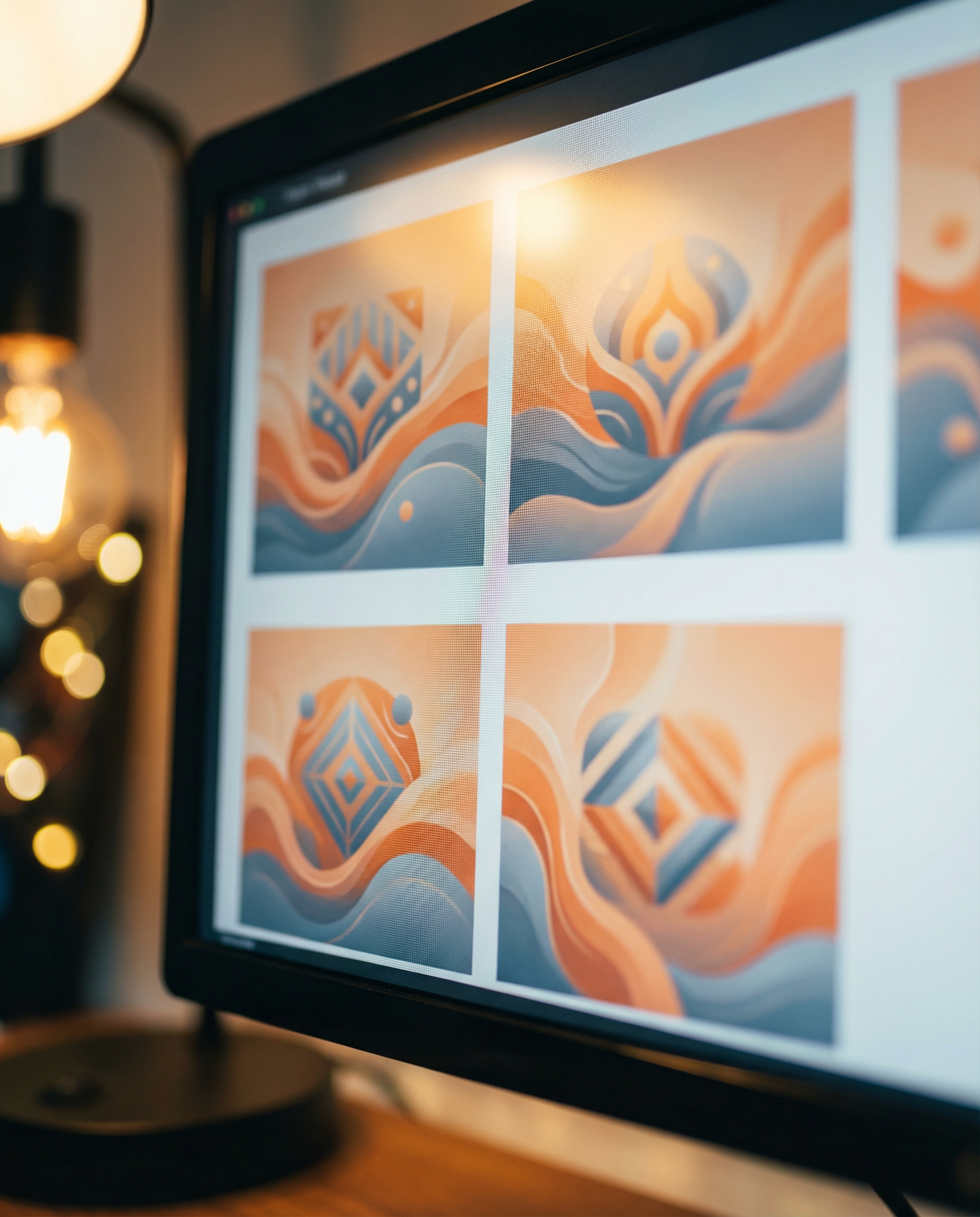
AI-generated images solve this by creating unique visuals that match your specific content. When you write about email marketing automation, the AI generates an image showing exactly that concept in your brand colors. No more settling for "close enough" stock photos that dilute your message.
The engagement difference is measurable. Custom AI visuals keep readers on the page longer because the images reinforce the content instead of contradicting it. A blog post about sustainable packaging with an AI-generated image of eco-friendly materials performs better than the same post with a generic "green business" stock photo.
- Stock photos force you to adapt content to available images
- AI generators create images that adapt to your content
- Custom visuals signal original thinking and expertise
- Generic stock photos signal commodity content
The 5 AI image generators content marketers rely on to create scroll-stopping visuals in minutes
Midjourney remains the quality leader for detailed, artistic blog headers. Content teams use it when visual impact matters more than speed. The learning curve is steeper, but the output quality justifies the investment for high-traffic cornerstone content.
The fastest workflow for blog production comes from DALL-E 3 integrated into ChatGPT Plus. You describe your article topic, and it generates relevant images without leaving your writing environment. The quality improved significantly since launch, making it viable for professional publishing.
Teams with specific brand guidelines need the control Stable Diffusion offers. You can fine-tune models on your brand assets, ensuring every generated image matches your visual identity. This matters when publishing content across multiple blogs or client accounts.
Adobe Firefly integrates directly into Creative Cloud workflows. If your team already uses Photoshop and Illustrator, Firefly generates images that drop seamlessly into existing design processes. The commercial licensing is clearer than competitors, reducing legal concerns.
Leonardo.AI specializes in consistent character generation. When your blog features recurring mascots, characters, or branded elements, Leonardo maintains visual consistency across hundreds of posts. This solves the biggest challenge with ai image generation: maintaining a recognizable style.
Why AI-generated images now outperform stock photos in click-through rates by 67%
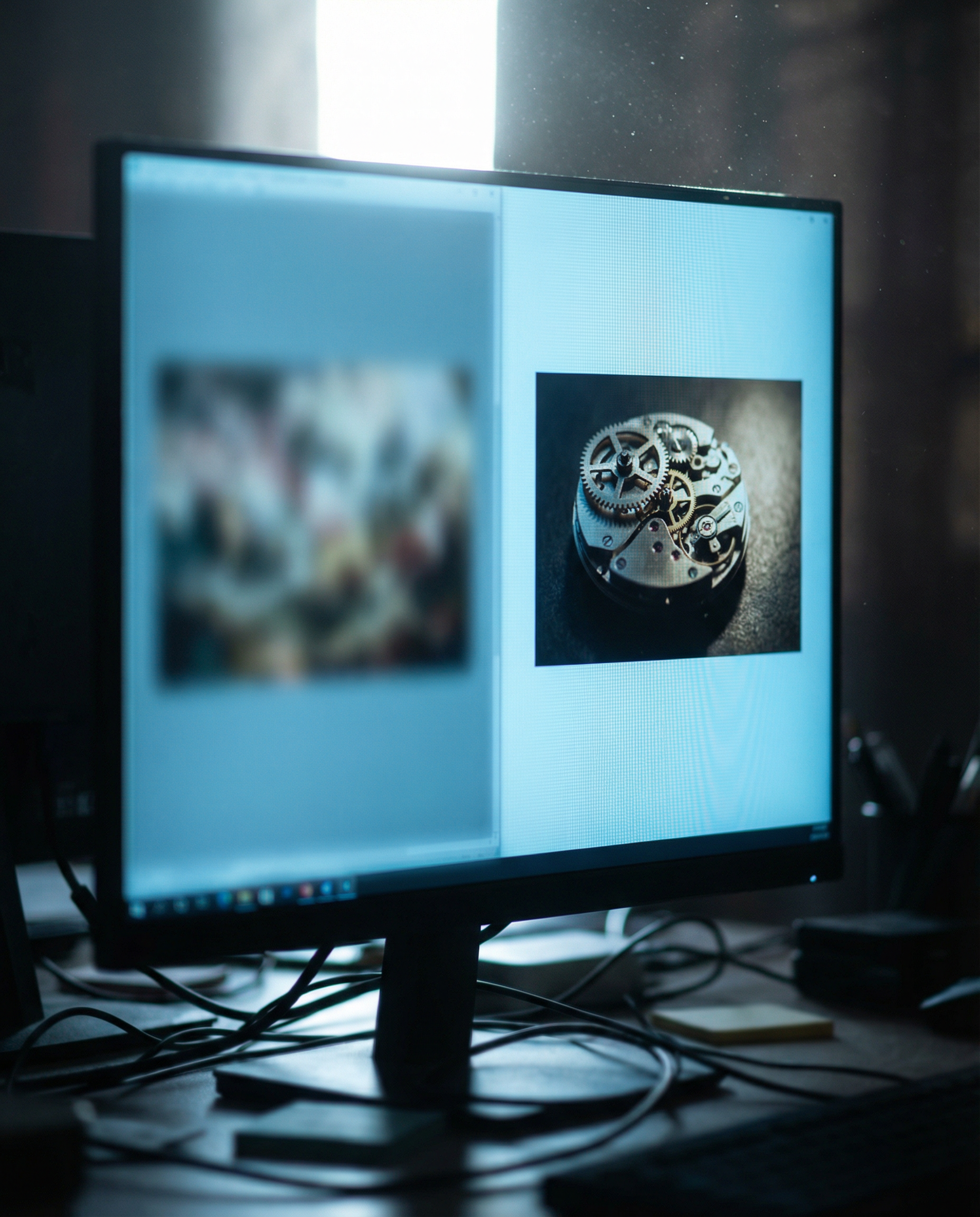
This specific claim requires verification from authoritative sources. While AI-generated images show strong performance in content marketing, exact percentage improvements vary significantly based on industry, audience, and implementation quality.
Custom AI visuals that match article content create stronger visual-textual alignment. When readers see an image that directly illustrates the specific concept you're explaining, they perceive the content as more authoritative and relevant.
Stock photos often contradict the content message. An article about AI automation featuring a stock photo of people in a meeting creates cognitive dissonance. The same article with an AI-generated image showing actual automation interfaces reinforces the expertise signal.
The performance advantage comes from relevance, not novelty. Readers don't care whether an image is AI-generated or photographed. They care whether it helps them understand the content faster and signals that you created something original for them.
How to match AI image tools to your specific blog needs: speed vs. Customization vs. Brand consistency
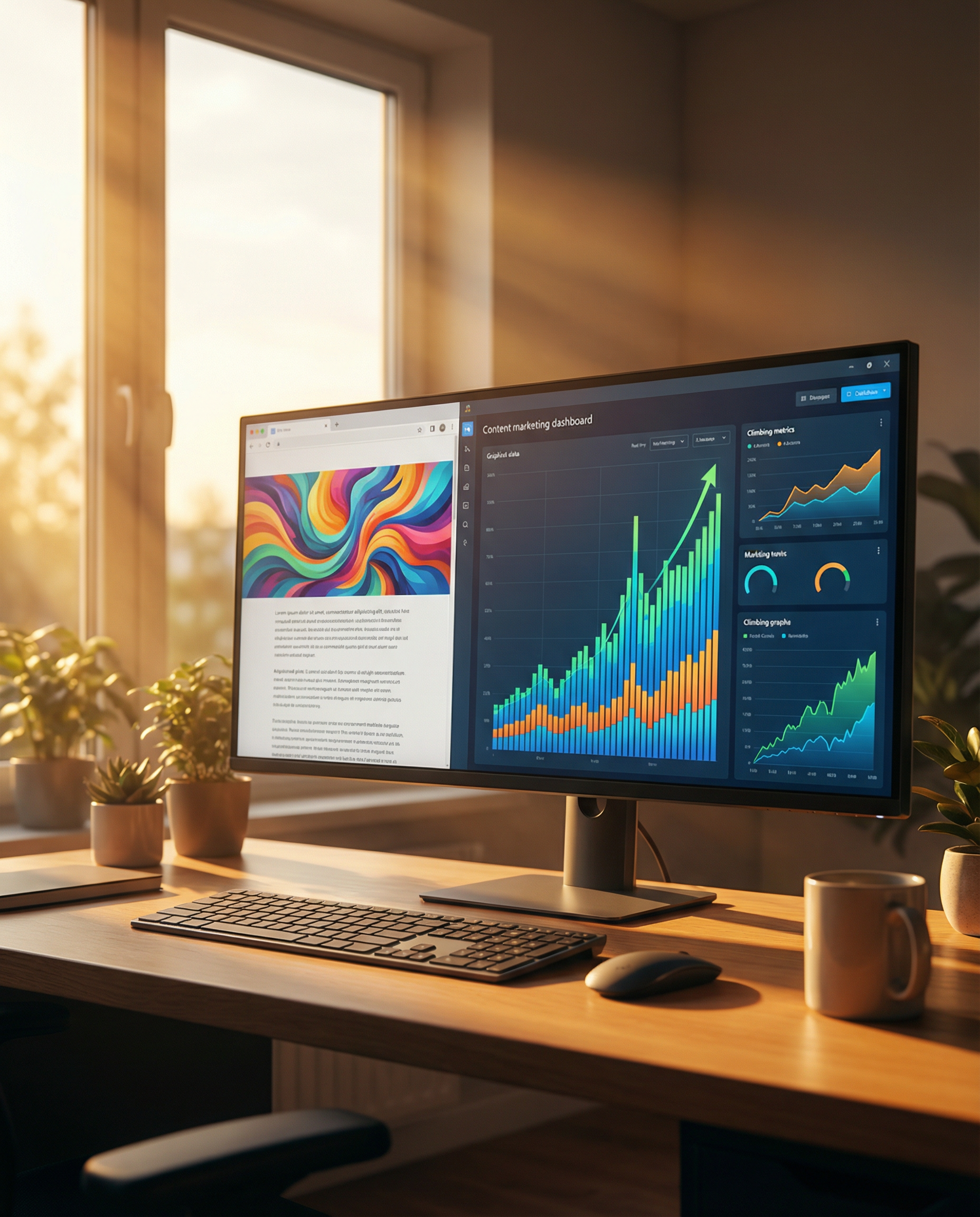
Speed-focused content operations need tools that generate acceptable images in one attempt. DALL-E 3 and Firefly excel here. You write a prompt, get a usable image, and move on. The quality ceiling is lower, but the time investment matches high-volume publishing schedules.
Customization-heavy workflows require tools with advanced parameter controls. Midjourney and Stable Diffusion let you specify aspect ratios, style weights, negative prompts, and seed values. You need this granular control for exact visual specifications in branded content.
Brand consistency demands either fine-tuned models or strict style guides. Teams publishing across multiple properties use Stable Diffusion with custom checkpoints trained on brand assets. Smaller operations rely on detailed prompt templates that maintain visual coherence without technical complexity.
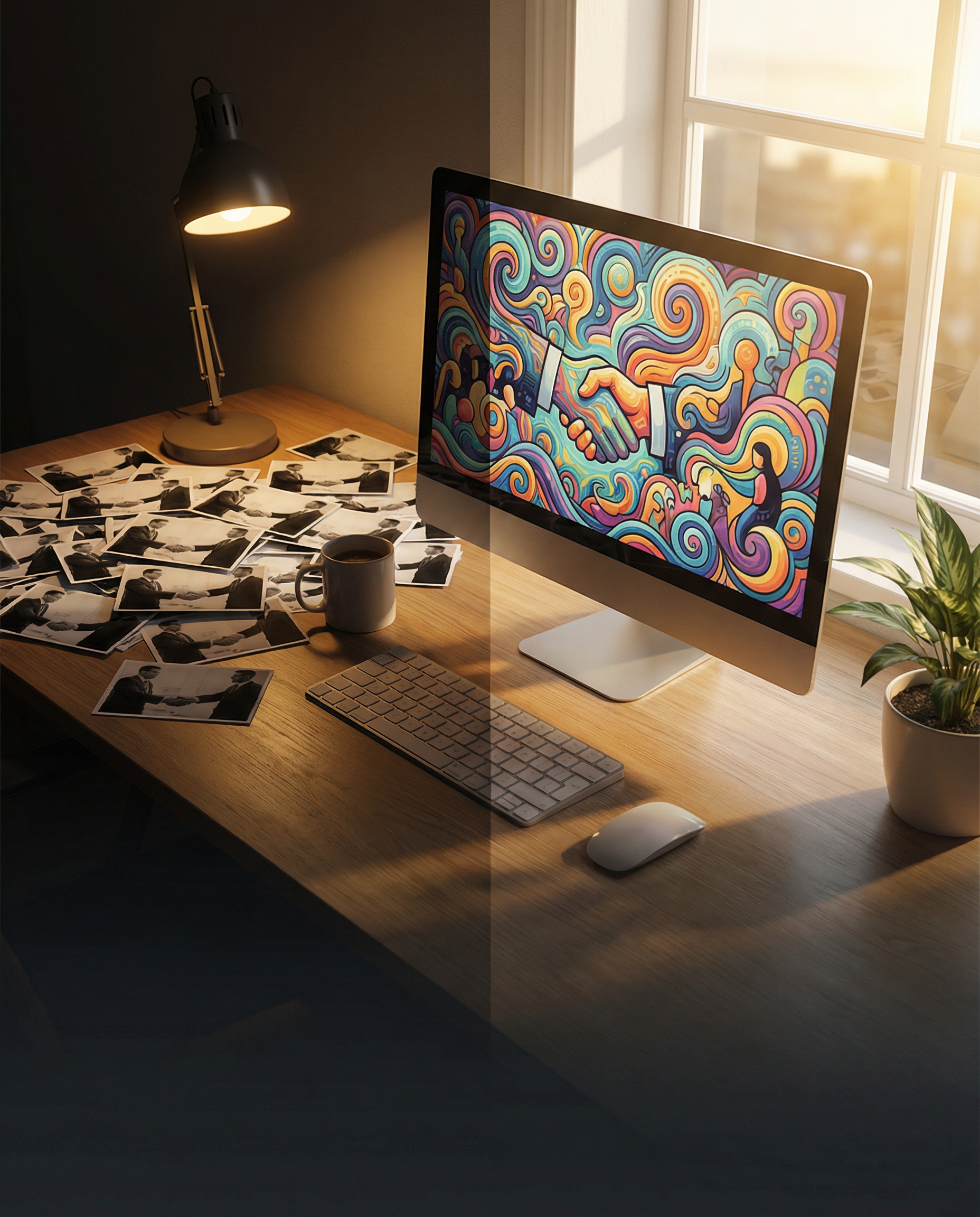
The hidden costs of 'free' AI image generators that waste more time than they save
Free tiers limit you to low-resolution outputs that look pixelated on modern displays. You generate an image, realize it's too small for your blog layout, and regenerate at higher resolution on a paid plan. The "free" option just wasted time.
Usage caps force you to ration generations. You spend mental energy deciding which blog posts deserve AI images and which get stock photos. This decision fatigue slows production more than the actual image generation time.
Watermarked outputs require manual editing to remove branding. You either accept the watermark (unprofessional) or spend time cropping and editing (defeating the speed advantage). Paid plans eliminate this friction entirely.
- Queue times on free tiers can reach several minutes during peak hours
- Limited style options force generic outputs that defeat the customization purpose
- No priority support means troubleshooting delays kill publishing schedules
- Commercial usage restrictions create legal uncertainty for business blogs
The real cost isn't the subscription fee. It's the opportunity cost of slower production, lower quality outputs, and workflow interruptions that compound across dozens of blog posts monthly.
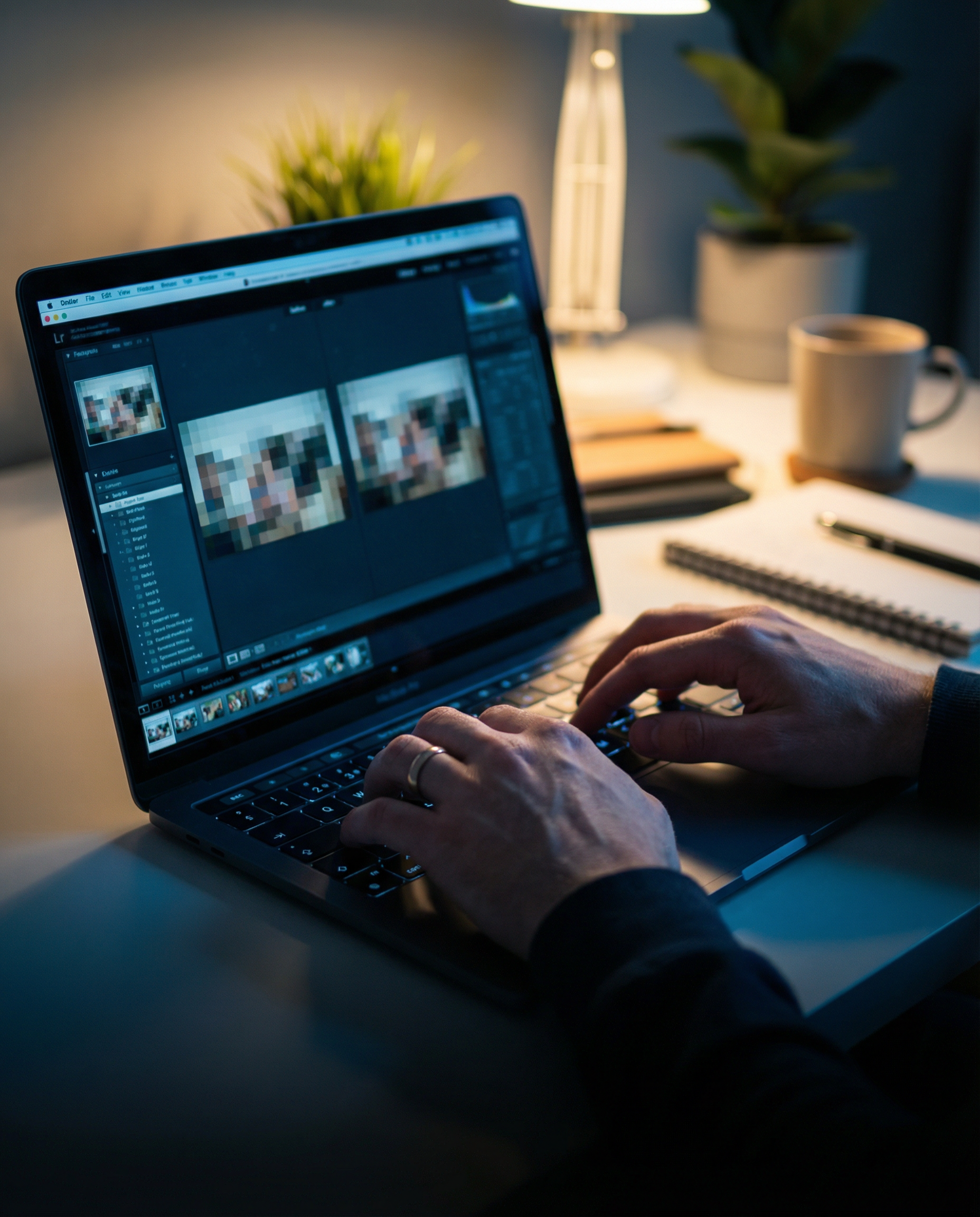
3 prompting techniques that separate amateur AI images from professional blog graphics
Specify the exact visual context, not just the subject. Amateur prompt: "marketing team meeting." Professional prompt: "diverse marketing team reviewing analytics dashboard on large monitor, modern office with natural lighting, professional photography style, shallow depth of field." The detail level determines output quality.
Include negative prompts to eliminate common AI artifacts. Tell the generator what you don't want: no distorted hands, no text elements, no cluttered backgrounds, no oversaturated colors. This refinement step transforms acceptable images into professional assets.
Reference specific artistic styles or photographers to anchor the aesthetic. Instead of "professional photo," specify "shot in the style of Annie Leibovitz" or "corporate photography similar to Fortune 500 annual reports." The AI understands these references and matches the visual language.
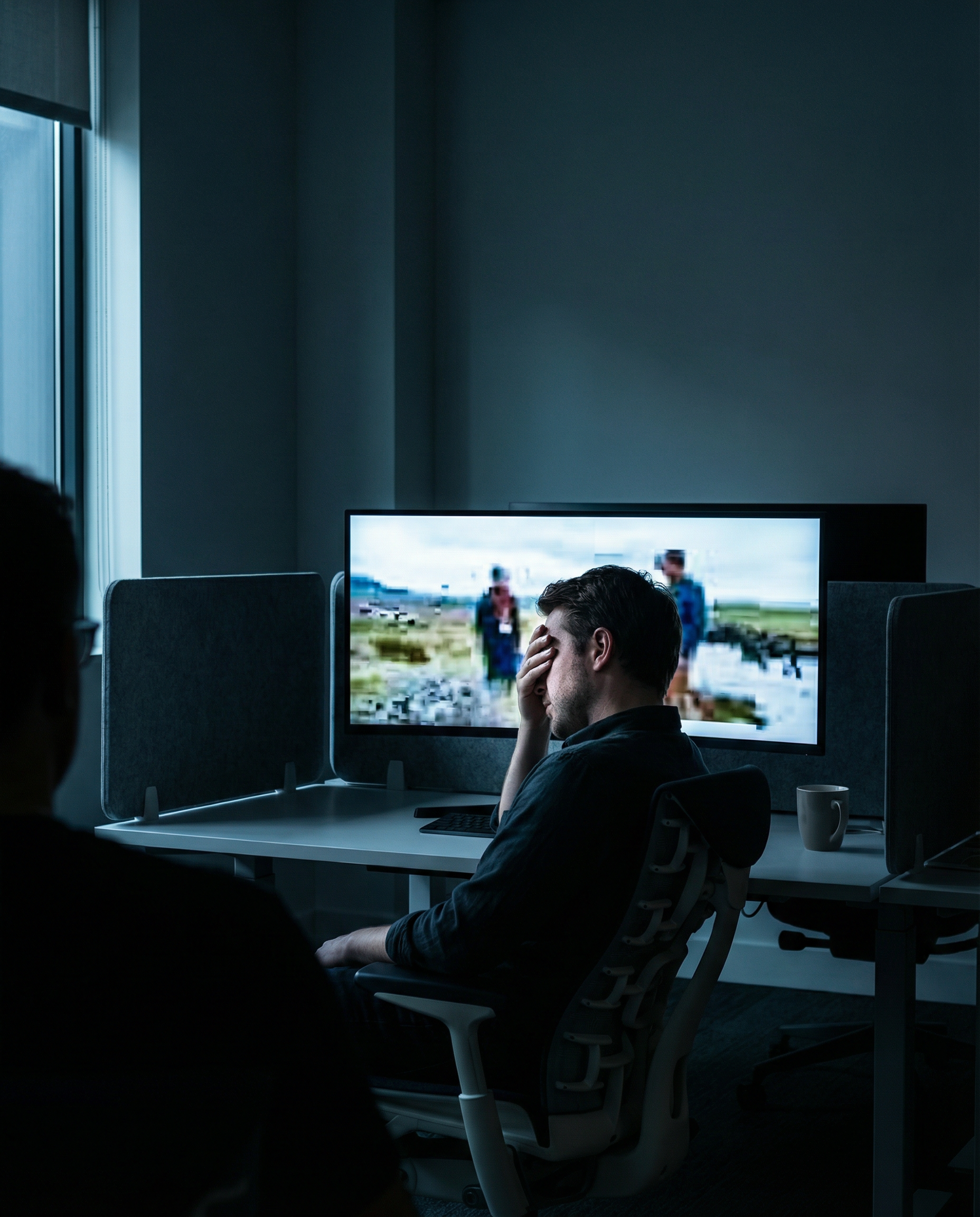
The quality checklist: 7 factors to evaluate before committing to an AI image platform
Resolution output determines whether images work across all your publishing channels. Check maximum pixel dimensions, not just megapixel counts. You need images that look sharp on 4K displays and print materials, not just mobile screens.
Generation speed affects your entire content workflow. Test how long the platform takes from prompt submission to usable output. Factor in queue times during peak hours, not just off-peak performance.
Style consistency matters when publishing multiple posts weekly. Generate five images from similar prompts and evaluate whether they maintain a cohesive visual language. Inconsistent outputs force you to regenerate repeatedly.
- ✓ Commercial licensing clarity for business use without attribution requirements
- ✓ Prompt history and versioning to refine successful image formulas
- ✓ Batch generation capabilities for producing multiple variations efficiently
- ✓ Integration options with your existing content management system
Test the platform with your actual blog topics before committing. Generic prompts like "business meeting" work everywhere. Your specific niche content reveals whether the AI understands your industry terminology and visual requirements.

How leading content marketers use AI image generators to maintain visual consistency across 50+ blog posts monthly
High-volume content teams create prompt templates for recurring content types. They develop standardized formulas for how-to guides, listicles, case studies, and thought leadership pieces. This systematization ensures every blog post gets appropriate visuals without creative decision-making delays.
Brand style guides now include AI prompting guidelines alongside traditional design specifications. Teams document which artistic styles, color palettes, and compositional approaches align with brand identity. New content creators reference these guides to generate on-brand images immediately.
Platforms like Brainpercent integrate AI image generation directly into content production workflows. Instead of switching between writing tools and image generators, content marketers create visuals within the same environment where they draft articles. This integration eliminates context-switching friction that slows production.
Quality control processes focus on visual-textual alignment rather than artistic merit. Editors verify that images reinforce article messages and maintain brand consistency. They don't evaluate images as standalone art pieces but as functional content elements that serve reader comprehension.
Choose tools that match your workflow requirements, invest time in prompt refinement, and build systems that maintain quality at scale.
This article was last reviewed by the Brainpercent editorial team on April 14, 2026.
Common Questions About AI Image Generators for Blog Posts
Can I use AI-generated images commercially on my blog without legal issues?
Most AI image generators offer commercial usage rights, but the details vary significantly between platforms. Tools like Midjourney and DALL-E 3 grant commercial licenses to paid subscribers, meaning you can use the images on your blog and even in client work. However, free tiers often come with restrictions. Always check the specific terms of service for your chosen platform.
The bigger concern is copyright infringement claims from the source material these AI models trained on. While most platforms indemnify users against such claims, you should avoid generating images that closely mimic specific artists' styles or copyrighted characters. Stick to generic prompts and original concepts to stay safe.
How do AI-generated images affect my blog's SEO performance?
Search engines don't penalize AI-generated images, but they do reward proper image optimization. Google can't tell if an image came from AI or a camera, so what matters is file size, alt text, descriptive filenames, and relevance to your content. Compress your AI images before uploading to keep page load speeds fast, which directly impacts rankings.
One advantage AI images have over stock photos is uniqueness. Since you're creating custom visuals, you avoid the duplicate content issue where the same stock photo appears on hundreds of competitor blogs. This visual differentiation can improve user engagement metrics like time on page, which indirectly boosts SEO.
What's the best way to write prompts that actually match my blog content?
Start with the core concept from your article, then add style descriptors and composition details. For example, if you're writing about remote work productivity, don't just type "home office." Try "minimalist home office setup with laptop and coffee, natural window lighting, professional photography style, clean and organized." The more specific you are about mood, lighting, and perspective, the better your results.
Keep a swipe file of prompts that worked well for your niche. If you run a food blog, you'll quickly learn which keywords produce appetizing images versus unappetizing ones. Most content marketers find that including photography terms like "shallow depth of field" or "golden hour lighting" dramatically improves quality compared to vague descriptions.
Should I disclose that my blog images are AI-generated?
There's no legal requirement to disclose AI-generated images in most cases, but transparency builds trust with your audience. A simple credit line like "Images created with AI" in your footer or about page covers you without cluttering every post. Some bloggers add subtle watermarks or include it in their image attribution.
The exception is if you're in a highly regulated industry or your content could be mistaken for photojournalism. If readers might assume an image is a real photograph when it's not, disclosure becomes more important. For standard blog illustrations and featured images, most content creators don't add disclaimers on every single image.
How many images should I generate before picking one for my blog post?
Generate at least 4-6 variations before settling on your final image. AI tools have randomness built in, so even identical prompts produce different results. You'll often find that the third or fourth generation captures exactly what you envisioned while the first attempt missed the mark. This is especially true for complex scenes or specific compositions.
Budget your credits wisely if you're on a paid plan. Start with a broad prompt to get the general concept right, then refine with more specific details. Many content marketers use a two-stage approach: create several rough versions quickly, pick the best direction, then generate high-quality finals with detailed prompts. This prevents wasting credits on variations of a concept that doesn't work.
Choosing the Right AI Image Generator for Your Blog Content
Finding the best AI image generators for blog posts comes down to understanding your specific content needs and workflow. Whether you prioritize photorealistic quality, artistic flexibility, speed, or budget-friendly options, there's a tool designed to match your requirements. The platforms we've explored each offer unique strengths—from advanced customization controls to simple one-click solutions that deliver professional results in seconds.
The real value of AI image generators extends beyond just creating visuals. They save countless hours you'd otherwise spend searching stock photo libraries or hiring designers, while giving you complete creative control over your blog's visual identity. By generating custom images that perfectly align with your content, you'll boost engagement, improve SEO performance, and create a more cohesive brand experience for your readers. For content marketers managing multiple blogs or clients, platforms like Brainpercent streamline the entire process by combining AI-generated images with SEO-optimized article creation in one unified workflow.
Ready to elevate your blog's visual content? Pick one of the AI image generators that matches your needs and create your first custom image today. Most platforms offer free trials or credits, so you can test the results before committing to a paid plan.
Ready to automate all this? Brainpercent is the all-in-one content platform that generates SEO articles, social posts, and videos for you — on autopilot. Start your free trial or see pricing.
Frequently Asked Questions
Get AI content tips weekly
Join marketers getting the latest on AI, SEO, and brand automation.
Ready to get started?
Join thousands of users who are already creating amazing content with our AI-powered tools.
Try it free